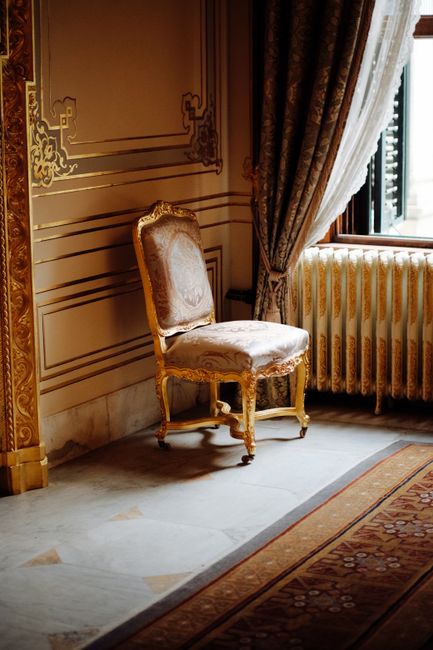
Upholstery cleaning near Alexandra Palace trusted team
If your sofa has started looking a bit tired, your armchair smells faintly of last winter's damp coats, or the dining chairs have collected a mystery stain that appeared "sometime after Christmas", you are in the right place. Finding upholstery cleaning near Alexandra Palace trusted team is not just about making fabric look better. It is about protecting furniture, removing odours properly, and choosing people who know how to work safely on different fibres and finishes.
In a busy part of North London, where homes, flats, shared houses and small businesses all need sensible maintenance, upholstery cleaning is one of those jobs that quietly makes everything feel cleaner. Sofas, footstools, curtains, dining seats and office chairs all pick up dust, body oils, pet hair, drink spills and general day-to-day wear. This guide explains how the process works, what a good service should include, the mistakes to avoid, and how to judge whether a team is genuinely trustworthy or just saying the right words.
To make things easier, the article also points you to helpful pages on this website, including upholstery cleaning services, sofa care options, stain treatment guidance, and practical trust pages such as insurance and safety and about us. That mix matters. Clean fabric is good. Peace of mind is better.
Table of Contents
- Why Upholstery cleaning near Alexandra Palace trusted team Matters
- How Upholstery cleaning near Alexandra Palace trusted team Works
- Key Benefits and Practical Advantages
- Who This Is For and When It Makes Sense
- Step-by-Step Guidance
- Expert Tips for Better Results
- Common Mistakes to Avoid
- Tools, Resources and Recommendations
- Law, Compliance, Standards, or Best Practice
- Options, Methods, or Comparison Table
- Case Study or Real-World Example
- Practical Checklist
- Conclusion
- Frequently Asked Questions
Why Upholstery cleaning near Alexandra Palace trusted team Matters
Upholstery is one of the most used surfaces in any property, and also one of the easiest to underestimate. We sit on it, lean on it, eat near it, nap on it, and let pets climb on it. Over time, that creates buildup you cannot always see from a distance. Dust settles deep into the fibres. Oils from skin and hair darken high-contact areas. Spills dry into outlines. Odours cling. If you leave it long enough, the fabric can look dull even if the room is otherwise tidy.
That is why trust matters so much. A trusted team does more than spray and vacuum. They identify the fabric type, test products carefully, and choose a method that suits the material. That sounds basic, but honestly, it is where many problems begin. The wrong approach can shrink covers, leave water marks, flatten pile, or push a stain deeper into the upholstery. Not ideal, to put it mildly.
For Alexandra Palace properties, there is also a practical local factor. Homes around the area include a mix of period houses, modern apartments, family spaces, and rental properties. Furniture styles vary a lot. You might have a velvet sofa in one home and a hard-wearing synthetic corner unit in another. A trusted upholstery cleaning team should be comfortable with that variety and able to explain the treatment in plain English.
Local relevance also comes down to convenience. When a team is genuinely used to serving nearby homes and businesses, they tend to understand access issues, parking realities, building entry arrangements, and the simple need to turn up when promised. That last one sounds obvious, but let's face it, reliability is half the job.
Expert summary: the best upholstery cleaning is not just about visible dirt removal. It is about fabric safety, odour control, stain handling, and a careful process that leaves furniture cleaner without causing unnecessary wear.
How Upholstery cleaning near Alexandra Palace trusted team Works
Good upholstery cleaning usually follows a logical sequence. It is not glamorous, but it is methodical for a reason.
1. Initial inspection
The cleaner checks the fabric type, condition, stain location, seams, and any weak spots. This matters because different textiles respond differently. A woven synthetic chair can often tolerate more moisture than a delicate natural fibre, while some dyed fabrics need a very cautious touch. If a team skips inspection, that is a red flag. You want assessment first, cleaning second.
2. Pre-vacuuming and debris removal
Dry soil is removed before any liquid treatment begins. This step helps lift dust, crumbs, hair, and gritty particles that would otherwise turn into sludge during cleaning. It also improves the final result. You can usually tell when this step has been done properly because the fibres feel lighter and the surface looks more even after treatment.
3. Spot testing
Before any cleaning solution is used broadly, a small hidden area should be tested. That is especially important for dyed, patterned, antique, or delicate upholstery. A team with experience will tell you what they are testing for and why. They will not overcomplicate it, but they should not be vague either.
4. Stain pre-treatment
Specific marks may need targeted treatment. Food and drink spills, pet accidents, grease, and ink-like marks often require different responses. If you also need smell issues addressed, a service like pet stain and odour support may be relevant, especially in homes with cats or dogs. Truth be told, pet odour can linger far longer than people expect.
5. Main cleaning method
The team then applies the appropriate cleaning method. That might involve hot water extraction for some robust fabrics, low-moisture cleaning for more sensitive pieces, or specialised spot treatment for certain materials. There is no single universal answer here. A trusted cleaner chooses the method that fits the item, not the other way round.
6. Extraction, grooming and drying advice
After cleaning, moisture and residue are removed as effectively as possible. Fibres may be brushed or groomed to help them dry evenly and look refreshed. You should also be given clear aftercare advice, because what you do in the next few hours can make a real difference. Open windows if sensible, avoid heavy use too soon, and keep pets off the furniture until it is ready.
If you are comparing services, it helps to look at how they describe their broader cleaning approach too. A company that is careful with other fabric services, such as curtain cleaning or mattress cleaning, often has a better grasp of textile care overall.
Key Benefits and Practical Advantages
There are obvious benefits to cleaner upholstery, but the real value is often in the smaller details people notice day to day.
- Better appearance: fabric colours look fresher, and tired seating stops dragging the room down.
- Reduced odours: spills, pets, smoke residue and general use can be tackled more effectively than with surface cleaning alone.
- Longer furniture life: removing gritty dirt and sticky residues helps protect fibres from wear.
- Improved comfort: clean upholstery simply feels nicer to sit on, which sounds minor until you notice it.
- Healthier living spaces: while cleaning is not a medical treatment, reducing dust and debris can improve day-to-day freshness.
- Better rental presentation: for landlords, letting agents, and tenants, clean furniture supports a stronger first impression.
For family homes, the benefit is often visual and emotional. You walk into the room and it feels calmer, less grubby, less "something needs doing." For offices and commercial spaces, the benefit is a little more practical: visitors notice care, staff get a more pleasant environment, and furniture lasts longer. If your premises include waiting areas or visitor seating, commercial cleaning support may be worth considering alongside upholstery care.
And yes, sometimes it is simply about getting rid of that one stubborn patch on the armrest. We have all got one. Or ten.
Who This Is For and When It Makes Sense
Upholstery cleaning near Alexandra Palace makes sense for more people than you might think. It is not only for "obviously dirty" furniture. In fact, waiting until the sofa looks terrible often means you have left it longer than you should.
Homeowners
If you have a main sofa, dining chairs, headboards, or occasional chairs that get used every day, professional cleaning can be a good maintenance step. Families with children usually notice spill marks early. Pet owners notice fur, oils, and odours. People with allergy concerns often prefer a cleaner fabric environment, even if the improvement is more about freshness than anything dramatic.
Renters and landlords
Rental homes often need a tidy reset between tenancies. A decent upholstery clean can lift the appearance of the living area without replacing furniture unnecessarily. Landlords, in particular, tend to value a service that is careful, documented, and respectful of property boundaries.
Local businesses
Waiting rooms, salons, studios, small offices and hospitality spaces all rely on first impressions. If a chair looks stained or smells stale, people notice. They just do. Upholstery cleaning can be part of a sensible maintenance schedule, especially when paired with other services like rug cleaning or targeted stain removal.
When DIY is not enough
Surface wipes and household sprays are useful for quick attention, but they rarely reach the real problem inside the fibres. If a stain keeps returning, the fabric smells musty, or the texture looks uneven after cleaning, that is usually a sign a deeper method is needed. If you are unsure, it is often better to ask for advice before trying a second or third product. Less drama that way.
Step-by-Step Guidance
If you want to prepare properly for a trusted upholstery clean, this simple process helps.
- Identify the furniture items. Make a quick list of the sofa, chairs, stools, or other upholstered pieces you want cleaned.
- Check fabric labels if available. A care label gives useful clues about what the material can handle.
- Point out stains, smells, or damage. Be specific. "That mark near the left arm" is better than "somewhere around here."
- Remove loose items. Cushions, throws, small ornaments and nearby clutter should be moved out of the way.
- Ask how the method will suit the fabric. The cleaner should explain why they are choosing that approach.
- Confirm drying expectations. Find out roughly how long the furniture should be left before regular use.
- Follow aftercare instructions. Ventilation, avoiding heavy use, and keeping pets away for a while all help the result last.
Here is the part people sometimes skip: ask about what happens if a stain lightens but does not disappear fully on the first pass. A thoughtful team will explain that some marks, especially old or heat-set ones, are difficult. That honesty is a good sign. Absolute promises can be a bit too shiny, if you know what I mean.
Expert Tips for Better Results
Experience has a way of making the same job easier, cleaner, and safer. A few practical habits really help.
- Act quickly on spills. Blot gently with a clean cloth. Do not rub. Rubbing often spreads the stain and pushes it deeper.
- Test hidden areas first. Even if a product claims to be safe, your upholstery may react differently.
- Avoid soaking the fabric. More water is not automatically better. In some cases it creates rings, slow drying, or a musty smell.
- Keep airflow moving. Open windows if weather and security allow it. A bit of ventilation goes a long way.
- Separate surface dirt from actual staining. Not every dark patch is a stain. Sometimes it is general soil build-up.
- Use fabric protection carefully. It can help in some settings, but it is not a magic shield.
A useful little rule: if you are nervous about a product on a fabric, trust that instinct. Furniture is expensive. Trying to save it with a random bottle from the cupboard can backfire. A little caution now can save a lot later.
Common Mistakes to Avoid
Most upholstery cleaning problems come from rushing or using the wrong technique. The good news is they are usually avoidable.
Using household cleaners without checking compatibility
Bleach, strong detergents and aggressive stain removers can damage fibres or colour. What works on a kitchen worktop is not suited to a sofa, and that difference matters more than people think.
Over-wetting the furniture
Too much liquid can cause long drying times, water marks, or a damp smell. It may even affect padding underneath the surface fabric. If a cleaner seems casual about moisture control, pause. Ask again.
Ignoring the fabric type
Velvet, wool blends, synthetics and natural fibres all behave differently. A trusted team should explain this clearly, without jargon overload.
Scrubbing stains hard
It feels productive, but it often spreads the problem. Gentle technique usually works better than brute force. Funny how that happens, really.
Booking only on price
Cheap can be expensive if the result is poor or the furniture is damaged. Look at the service detail, the trust signals, the aftercare, and whether the team offers clear communication. Pricing and quotes information is useful when you want to compare options fairly, not just chase the lowest number.
Tools, Resources and Recommendations
A good upholstery clean depends on having the right kit and the right judgement. You do not need to know every technical detail, but it helps to understand the basics.
| Tool or resource | Why it matters | What to look for |
|---|---|---|
| Professional vacuum with upholstery attachments | Removes dry soil before cleaning | Fine suction control and a gentle brush head |
| Fabric-safe pre-treatment | Helps loosen spots and stains | Suitable for the specific material |
| Moisture-controlled extraction equipment | Cleans more deeply without soaking the fabric | Even application and effective recovery |
| Microfibre cloths and blotting pads | Useful for spot work and drying support | Clean, lint-free, colour-safe cloths |
| Aftercare instructions | Helps the result last longer | Clear guidance on drying and use |
When choosing a team, look beyond the machine and ask how they work. The best equipment in the world is not much use if the operator does not know how to read a fabric. That is the quiet truth behind good results.
It can also help to choose a provider with visible service standards and clear policies. Pages such as health and safety policy, terms and conditions, and payment and security are not thrilling reading, granted, but they do tell you a lot about how a company works.
Law, Compliance, Standards, or Best Practice
For upholstery cleaning, the main thing to understand is that professional services should operate with sensible care, appropriate risk management, and fair treatment of your property. In the UK, businesses are expected to follow general duties around health and safety, insurance, honest trading, and data handling where relevant. You do not need a lecture on legislation to make a sensible choice, but you do need confidence that a company takes those responsibilities seriously.
Best practice usually includes:
- Insurance: a trustworthy provider should be able to explain their cover in plain language.
- Safe product use: cleaning agents should be used correctly and with care.
- Risk awareness: cables, wet floors and access areas should be managed safely.
- Clear communication: you should know what will happen before work starts.
- Privacy and payment care: your details should be handled properly and securely.
If you want extra reassurance, pages like insurance and safety, privacy policy, and complaints procedure can help you understand how the business handles responsibility and customer care. That is especially useful if you are booking for a business property or arranging access while you are away.
There is also a sustainability angle worth noting. Responsible cleaning should avoid unnecessary waste, use water wisely, and dispose of packaging or residues properly. If that matters to you, recycling and sustainability is worth a look. It is a small point, maybe, but small points add up.
Options, Methods, or Comparison Table
Different upholstery situations call for different approaches. Here is a simple comparison to help you think through the options.
| Method | Best for | Pros | Watch-outs |
|---|---|---|---|
| Low-moisture upholstery cleaning | Delicate or moisture-sensitive fabric | Faster drying, less water use | May need more careful stain treatment |
| Hot water extraction | Robust fabrics with deeper soil | Strong cleaning power, good for heavier use | Not always suitable for every textile |
| Targeted stain treatment | Specific marks or spill areas | Focused and efficient | Old or set stains may only partly lift |
| Odour-focused treatment | Pet smells, stale rooms, lingering spills | Helps freshness more than surface cleaning alone | Source of odour must be addressed properly |
If you are cleaning multiple items at once, there is often a smart mix of methods. For example, a sofa may need one approach while nearby dining chairs need another. A good team does not force every item through the same routine. That would be neat, but not necessarily sensible.
It is also worth linking upholstery care with other soft furnishing services where needed. Some homes benefit from a combination of carpet cleaning, upholstery work, and curtain cleaning so the whole room feels refreshed rather than just one object.
Case Study or Real-World Example
Here is a realistic example from the sort of work many local households need. A family in a flat near Alexandra Palace had a light-coloured sofa that looked fine from across the room but had darkening on the seat cushions, a faint drink mark on one arm, and a lingering smell from everyday use. Nothing dramatic, just enough that the room had started to feel a bit flat.
The job began with inspection, because the fabric was not something you want to guess at. The cleaner identified the high-contact areas, checked the stain type, and tested the treatment in a discreet spot. The main cleaning lifted general soil from the seating area, while the drink mark was treated separately. The family was then advised on airflow and drying time, and they kept pets off the sofa for the rest of the day. Small thing, big difference.
What changed most was not only the colour of the fabric, but the feel of the room. The sofa stopped looking "well used" and started looking cared for again. The room smelled cleaner too, which is often the bit people notice first when they sit down in the evening with the lights low and the kettle on. Not a miracle. Just good cleaning done properly.
Practical Checklist
Use this checklist before booking upholstery cleaning near Alexandra Palace.
- Have you identified all upholstered items that need cleaning?
- Do you know which fabrics are delicate and which are robust?
- Have you pointed out all stains, smells, or damage clearly?
- Have you asked how the team handles spot testing?
- Do you understand the expected drying time?
- Have you checked insurance and safety information?
- Do the payment and terms pages feel clear and fair?
- Are you comfortable with the company's approach to privacy and complaints?
- Have you asked about aftercare for pets, children, or shared spaces?
- Do you know whether any extra services, such as stain removal or rug cleaning, might help?
If you can tick most of those off, you are probably in a good place. If not, ask a few more questions. That is not being difficult; it is just sensible.
Conclusion
Choosing upholstery cleaning near Alexandra Palace trusted team is really about confidence. You want furniture that looks better, smells cleaner, and lasts longer, but you also want the work handled with care. The best teams know how to read fabric, treat stains thoughtfully, manage moisture, and explain the process in a way that makes sense. No fluff, no guesswork.
When you are comparing options, pay attention to how the company presents itself overall. Services like sofa cleaning, stain treatment, and the trust pages linked above give you a better sense of standards than a glossy promise ever could. The right choice usually feels calm, clear, and straightforward. That is the one to go for.
Get a free quote today and see how much you can save.
And if you are still weighing things up, that is fine too. A good upholstery clean should leave your home feeling fresher and your mind a little lighter. That part matters more than people admit.
Frequently Asked Questions
How often should upholstery be professionally cleaned?
It depends on use. A family sofa, a pet-friendly home, or a busy office chair will usually need attention more often than a lightly used occasional chair. Many people choose cleaning when the fabric starts to look dull, smell stale, or show visible marks, rather than waiting for a strict timetable.
Can all upholstery fabrics be cleaned the same way?
No. Different fibres and finishes react differently to moisture, heat and cleaning products. A trusted team should inspect the item first and choose a method that suits the fabric, rather than using one routine for everything.
Will upholstery cleaning remove old stains completely?
Sometimes yes, sometimes partially, and sometimes not at all. Older stains can set into fibres or change chemically over time. A careful cleaner should explain realistic expectations before work begins, which is better than making a shiny promise they cannot keep.
How long does upholstery take to dry?
Drying time varies by fabric, method, airflow and room conditions. Low-moisture methods usually dry faster, while deeper cleaning can take longer. Your cleaner should tell you what to expect and how to speed up safe drying without damaging the fabric.
Is upholstery cleaning safe for homes with children and pets?
It can be, provided suitable products and methods are used and the furniture is left to dry properly before reuse. Ask about the products being used, how long the area should be kept clear, and whether any extra odour or stain treatment is needed.
What should I do before the cleaners arrive?
Clear the area around the furniture, remove small items, and point out any stains, tears or concerns. If possible, check care labels and make a quick list of the items to be cleaned. That simple prep saves time and avoids confusion.
Does upholstery cleaning help with smells?
Yes, often it does, especially where odours come from spill residue, trapped dust or pet use. If the smell is strong or recurring, ask about dedicated odour treatment as part of the service, because surface cleaning alone may not be enough.
Should I choose the cheapest upholstery cleaning quote?
Not automatically. Price matters, of course, but so do fabric safety, insurance, communication, drying guidance and aftercare. Sometimes the lowest quote leaves out the care and detail that actually protect your furniture.
Can upholstery cleaning help with allergies?
It may help reduce built-up dust and debris in fabric, which some households find beneficial for day-to-day freshness. It is not a medical treatment, though, so it is best viewed as part of regular home care rather than a cure-all.
What is the difference between sofa cleaning and upholstery cleaning?
Sofa cleaning is one type of upholstery cleaning. Upholstery cleaning is the broader term and can include chairs, stools, benches, headboards and other fabric-covered items. If you have more than just a sofa, the wider service is usually the better fit.
How do I know if a cleaning team is trustworthy?
Look for clear explanations, sensible safety information, transparent terms, proper insurance, and a willingness to answer questions without getting defensive. A trustworthy team does not need to sound flashy. They just need to be clear, careful and consistent.
Can upholstery cleaning be combined with other services?
Yes. Many homes benefit from combining upholstery care with carpet, rug, curtain or mattress cleaning so the whole room feels genuinely refreshed. If one item is cleaned in isolation but the rest of the room is tired, the difference can feel incomplete.